Why I Believe Furniture Should Feel Calm
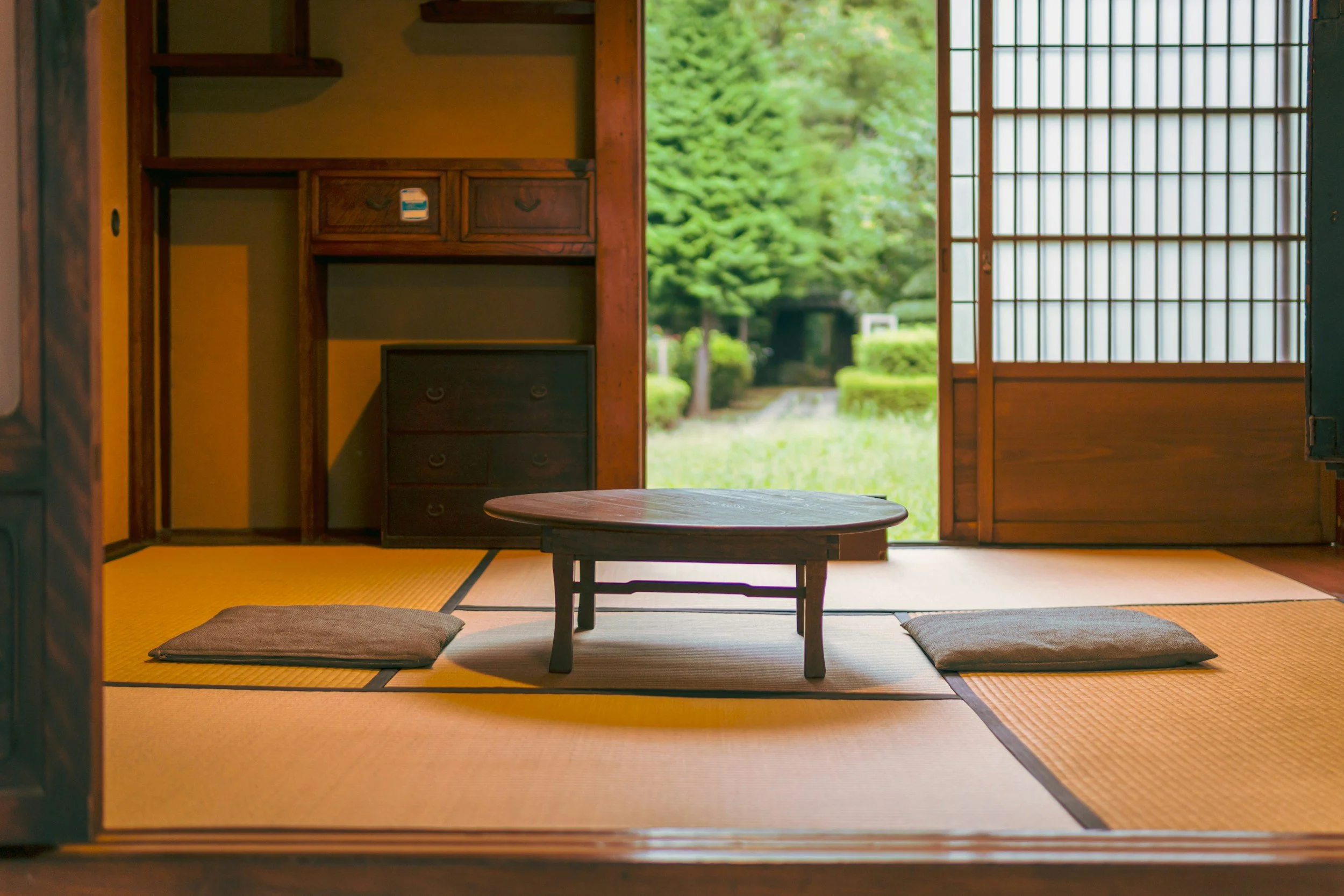
Example of Traditional Japanese Interior Design
The spaces that leave the deepest impression on me are rarely the ones attempting to command attention. They are not dominated by excessive ornamentation, glossy surfaces, or constant visual stimulation. Instead, they tend to feel restrained, warm, and intentional. They possess a sense of quietness that allows the mind to settle rather than remain in a state of stimulation.
Over time, I began to realize that this feeling of calm is not accidental. It emerges through a careful balance of simplicity, material harmony, craftsmanship, and atmosphere. Furniture plays a significant role in shaping that experience. A well-designed piece does more than fulfill a practical function or occupy space within a room. It contributes to the emotional character of the environment itself.
To me, furniture should feel calming because the home itself should provide a sense of refuge. In a world increasingly defined by overstimulation and constant noise, the spaces we inhabit should offer relief rather than contribute further tension.
What Calmness Means to Me
A calm piece of furniture is not necessarily minimal, nor does it need to avoid contrast, texture, or character. Calmness comes less from strict simplicity and more from harmony and restraint.
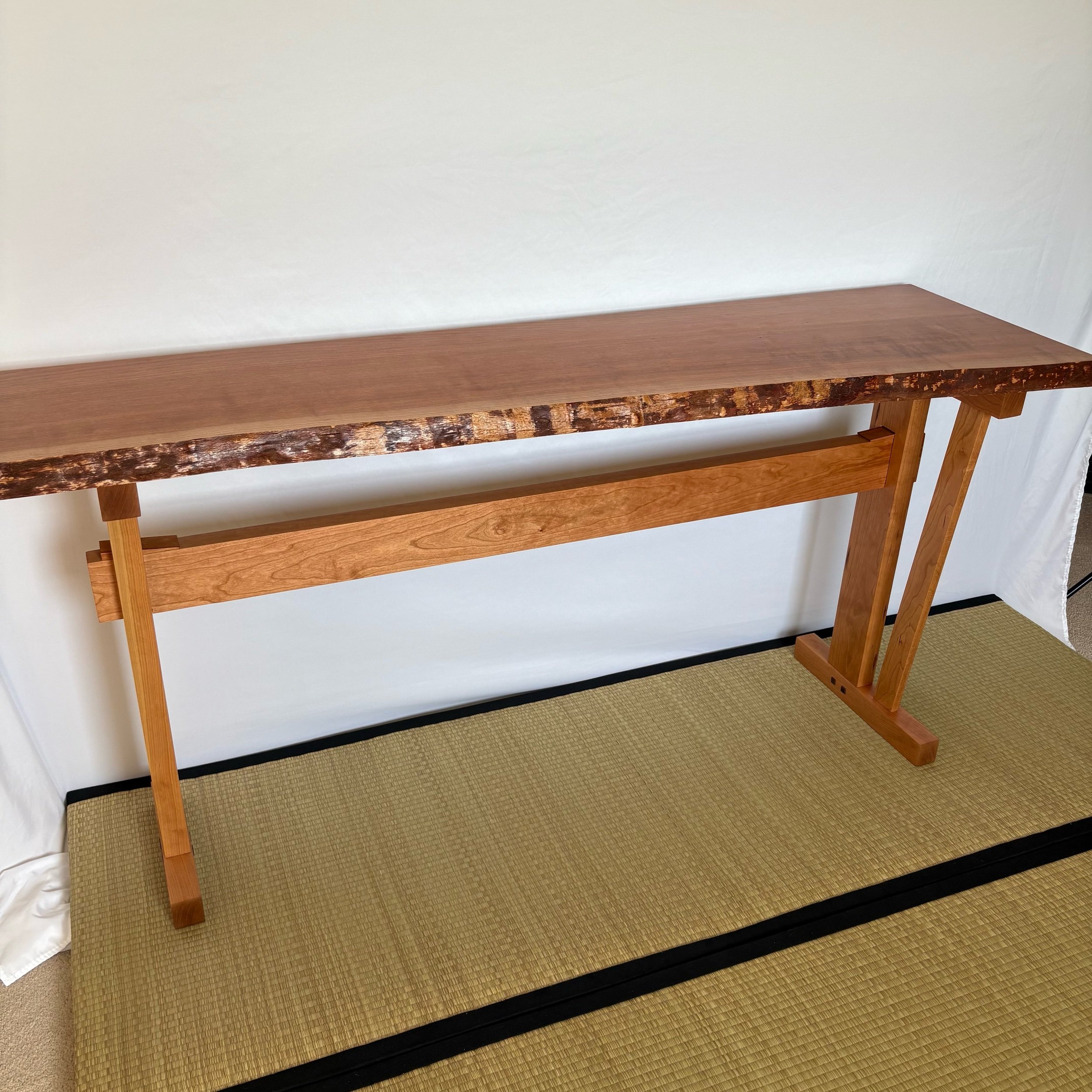
Unkai | 雲海
Live edge cherry console table with a trestle style base inspired by Japanese joinery
When I look at a piece such as Unkai, for example, there is a noticeable sense of ease that accompanies it. Part of that feeling comes from the live edge itself. It preserves a visible connection to the natural world, allowing the material to retain some trace of its original form rather than appearing entirely separated from nature. The grain remains expressive, and the contours still suggest the shape of the tree from which the piece originated.
At the same time, craftsmanship introduces a sense of order and stability. Thoughtful proportions, clean joinery, and deliberate design choices create structure within the space. Yet the presence of subtle handmade variation prevents the piece from feeling sterile or mechanically perfect. There is precision, but there is also warmth. That balance creates an atmosphere that feels both refined and deeply human.
In this way, the furniture itself begins to bring order into a room, though not in an imposing manner. Instead, it creates a quiet sense of stability and calm.
I believe this balance is essential. Excessive perfection can feel cold and impersonal, while excessive irregularity can feel chaotic. Somewhere between those extremes lies what I think of as restrained warmth: an approach that allows a space to feel composed without losing its sense of humanity.
Why Some Spaces Feel Exhausting
The interiors that feel most exhausting to me are often those that lack connection to natural elements or rely too heavily on visual stimulation. This is not a criticism of modern or industrial design as a whole. In fact, these styles can become incredibly calming when approached thoughtfully. The issue is not modernism itself, but sterility.
Some interiors feel as though they exist in opposition to nature rather than in conversation with it. Large expanses of synthetic materials, harsh lighting, excessive gloss, and visual clutter can create environments that feel emotionally cold and mentally fatiguing.
Even a modest introduction of natural material can transform the atmosphere of a space. Wood, stone, plants, natural textures, and warm lighting soften interiors dramatically and help collapse the boundary between interior and exterior. The result is often an environment that feels more grounded, more welcoming, and ultimately more human.
I suspect people respond so strongly to these elements because they provide the eye with a place to rest. In overstimulating environments, the mind is constantly processing sharp contrasts, reflective surfaces, artificial textures, and visual noise. Natural materials offer relief from that condition. They slow the experience of a room down.
That sense of visual rest is more important than many people realize.
Simplicity and Connection to Nature
For me, calmness emerges through two principles working together: simplicity and connection to nature.
Both are essential.
Simplicity without natural warmth can quickly become sterile, while an excess of textures, patterns, or natural elements can overwhelm a space and diminish the sense of interior calm. The most peaceful environments tend to exist somewhere between those extremes.
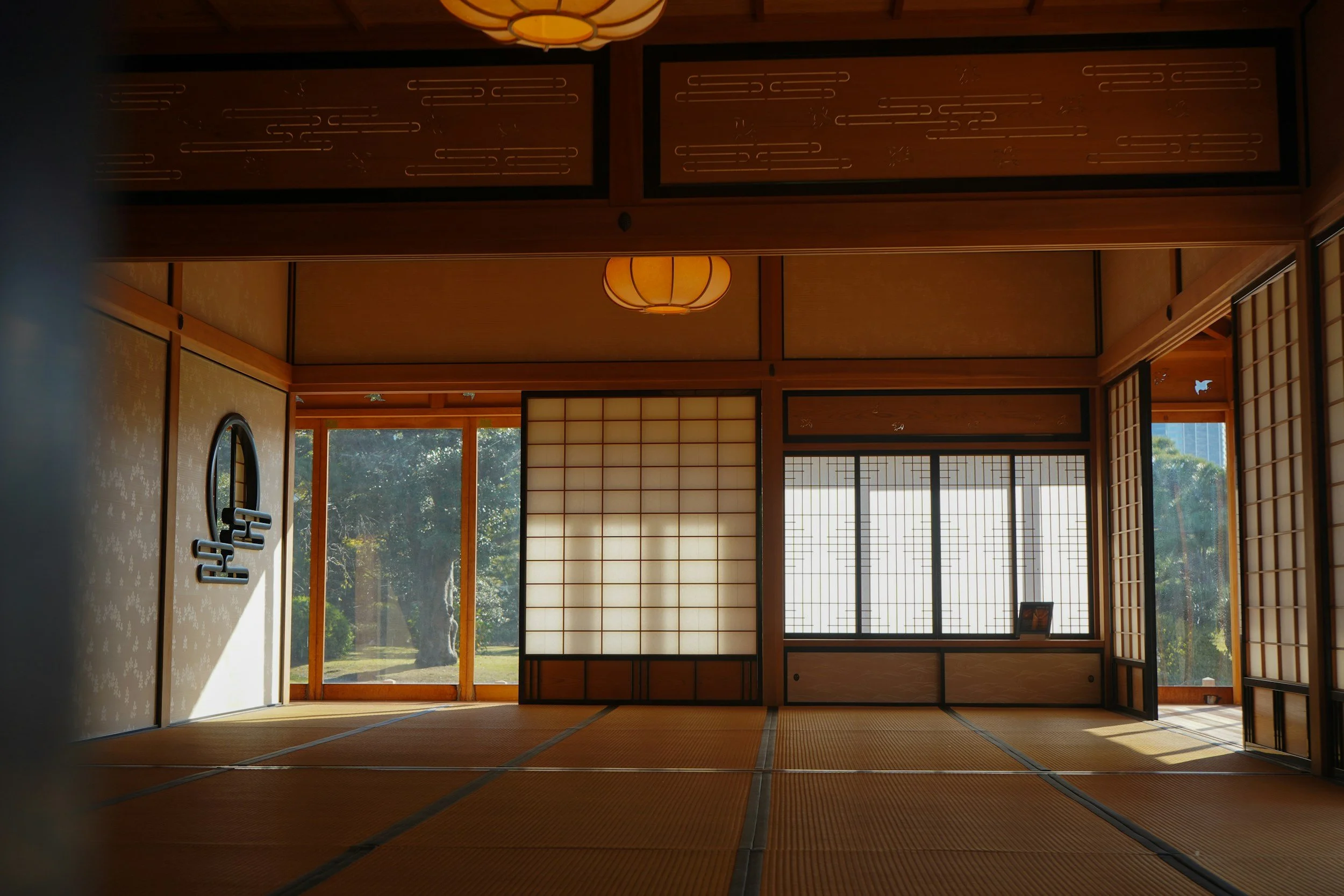
Example of Traditional Japanese Interior
This balance is part of why traditional Japanese interiors resonate so deeply with many people. These spaces often rely on a relatively small palette of materials and elements, yet each one maintains a strong relationship to the natural world. Tatami mats, clay plaster walls, exposed timber structure, shoji screens, and carefully selected furnishings work together harmoniously rather than competing for attention.
Equally important is the presence of open space. These interiors allow the mind and body room to breathe. Rather than demanding constant engagement, they encourage slower observation and appreciation of subtler details such as the texture of tatami, the softness of clay plaster, the depth of wood grain, or the shifting quality of diffused light throughout the day.
Lighting plays an enormous role in shaping this atmosphere. Diffused natural light often feels the most calming because it softens contrasts and allows materials to appear warm and alive. Shoji screens are perhaps one of the most elegant examples of this principle, though artificial lighting can contribute to a similar effect when used intentionally. Warm lighting generally creates a far more relaxed atmosphere than harsh white or cool-toned light, particularly during evening hours.
Individually, these decisions may appear subtle. Together, they shape the emotional character of a space.
How Furniture Itself Creates Calm
I believe furniture creates calm primarily through material harmony, finish selection, and restraint.
Material harmony is especially important. Contrast can be beautiful, but it should feel deliberate rather than chaotic. Different woods should either share a unifying characteristic or create a balanced visual tension that feels intentional and cohesive.
Walnut and maple, for example, work beautifully together because although they contrast strongly in color, their grain structures and figure patterns often feel compatible. Walnut and cherry create a similarly compelling relationship. Both possess warmth and organic grain character, yet each expresses those qualities differently.
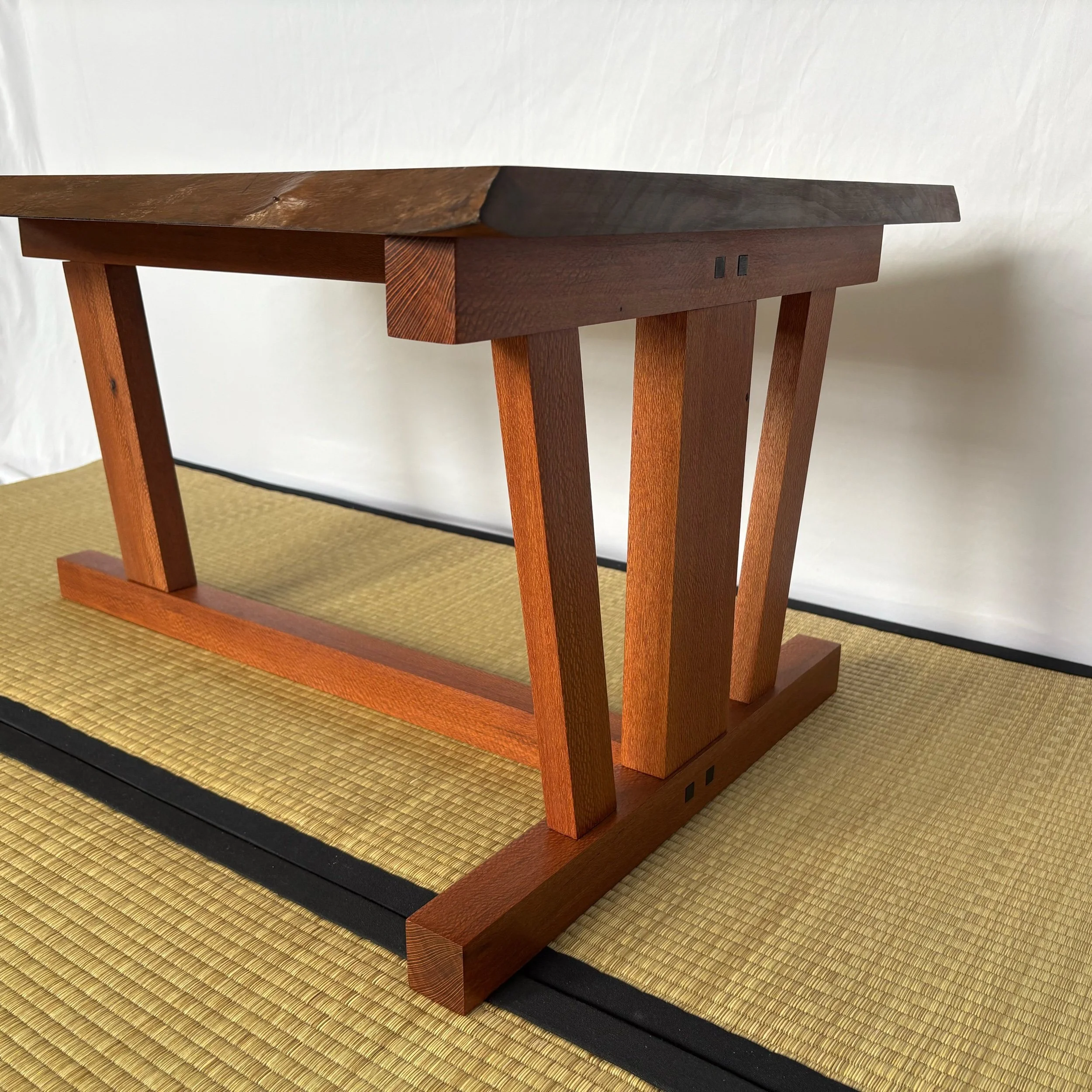
Chowa | 調和
Coffee table with leopardwood base, ebony pegged joinery, and live edge walnut top. Serves as an example of a bold wood contrasting with a grounding one to produce a sense of calm.
Calm furniture does not need to avoid boldness entirely. Instead, bold elements should be grounded by quieter ones. Contrasting woods can stabilize and complement one another when used thoughtfully.
Finish selection also has a profound effect on atmosphere. In most cases, I find matte or satin finishes the most calming because they allow the focus to remain on the material itself rather than on surface reflectivity. Satin finishes reflect enough light to feel refined and polished while still preserving the natural depth and texture of the wood.
Gloss finishes are not inherently overstimulating, but they are a deliberate design decision that shifts attention toward the finish itself. In some cases, this can be highly effective. Woods with especially dramatic or surreal appearances, such as purpleheart, may benefit from a gloss finish because it enhances their striking visual qualities. Other woods, such as walnut, often feel more grounded and calming with a softer sheen that allows the depth of the grain to remain the focal point.
Joinery also contributes to this atmosphere when treated as honest structure rather than applied ornamentation. Exposed joinery, pegs, and structural details can create visual interest while still feeling grounded because they emerge naturally from the construction of the piece itself.
Nothing feels excessive or unnecessary.
A Quiet Place to Return To
I believe many people today are searching for some form of calm, whether consciously or not. Modern life is often fast, loud, and relentlessly stimulating. Because of this, the environments we return to each day carry enormous importance. The spaces we inhabit influence not only our visual experience, but also our emotional state and ability to recover from the outside world.
Furniture should contribute positively to that atmosphere. It should not constantly compete for attention or dominate the room through excess. Instead, it should quietly support the emotional tone of the space while allowing natural materials, soft light, and thoughtful restraint to create a sense of peace.
Perhaps that is why I continue returning to natural materials and Japanese-inspired design philosophies so frequently in my work. They serve as reminders that calmness does not emerge from emptiness or perfection, but from harmony.
A calm interior does not attempt to separate us from nature. It gently reconnects us to it.
