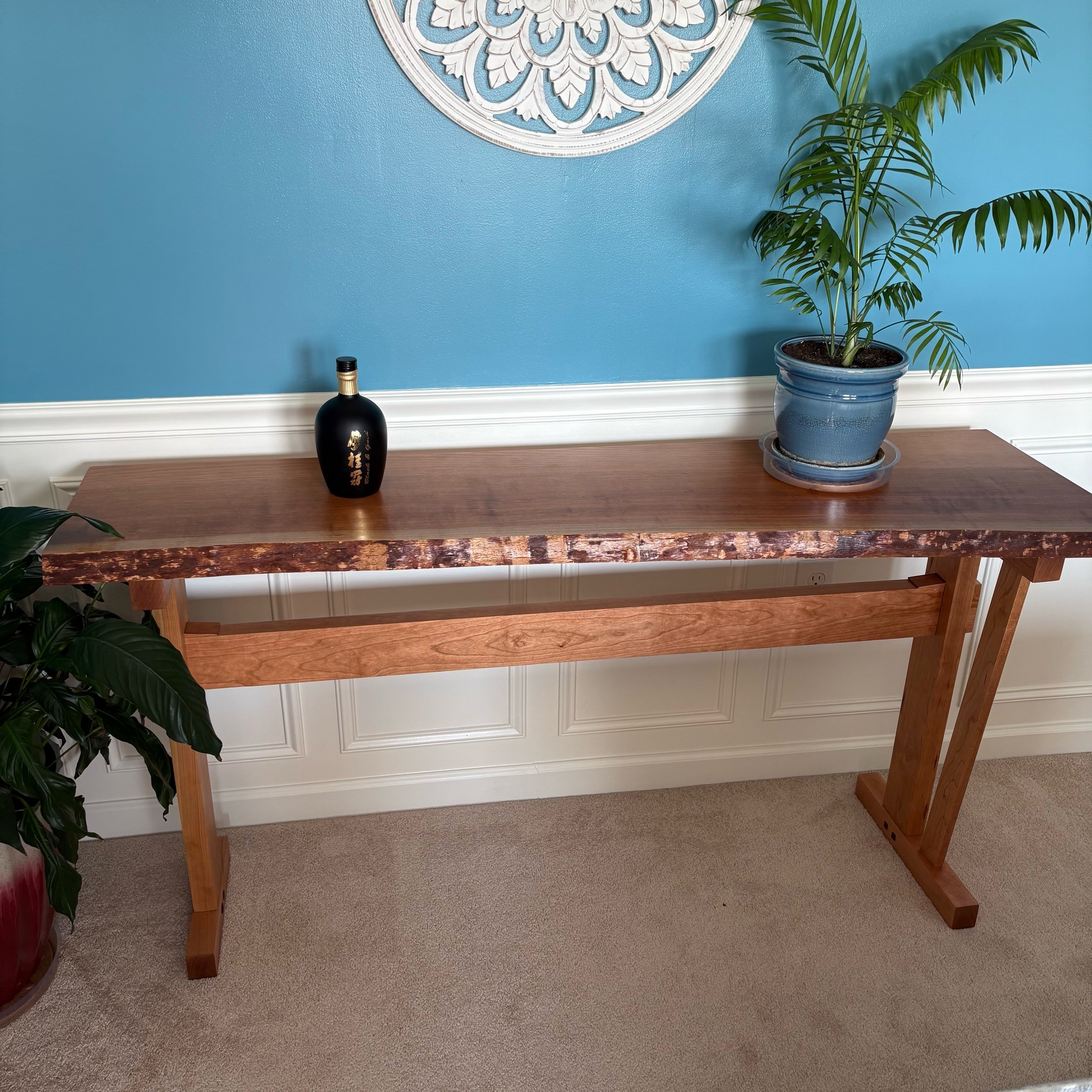
My Design Philosophy: Japanese Joinery Meets Modern American Furniture
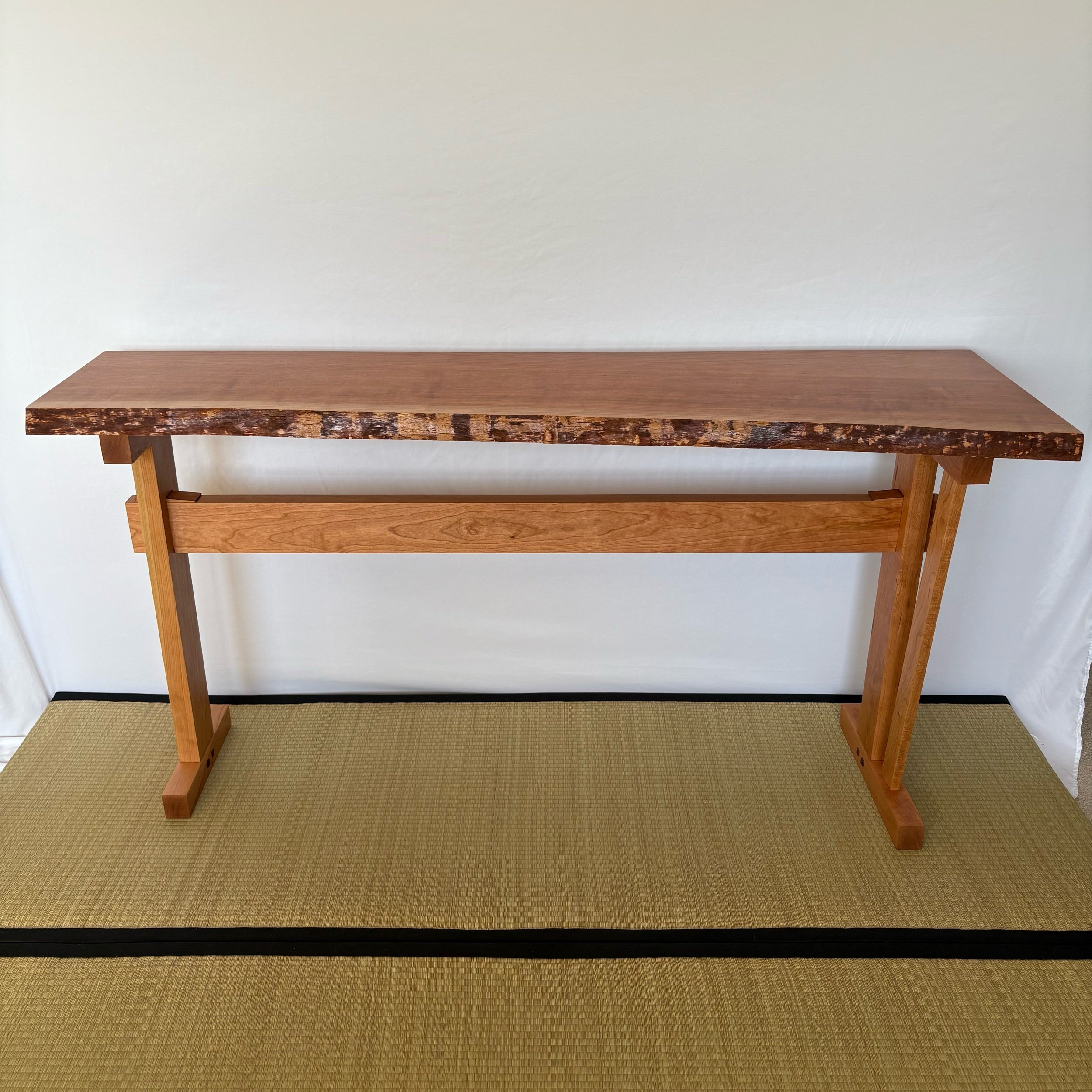
When I build furniture, I’m not simply shaping wood into functional forms. I’m working toward something much larger — the creation of objects that connect people with nature, honor tradition, and serve reliably for generations. My approach to design blends the spirit of Japanese joinery with modern American furniture, weaving together philosophy and technique in every piece.
Philosophical Foundations of My Work
Built for Generations
I believe furniture should be made to outlast the moment. In a world of disposable products and fast furniture, my goal is to create pieces that endure. When you bring one of my bookcases or tables into your home, it isn’t just for you — it’s something that can be passed on, a quiet heirloom that will remain useful and beautiful for decades.
Bringing Nature Indoors
Wood is not an anonymous material to me; it’s a living reminder of the forests it came from. I work primarily in American hardwoods like walnut, cherry, white oak, and maple because of their strength and warmth. These natural materials bring a calming, grounding presence into a space, creating a direct connection to nature that synthetic surfaces can never replace.
Joinery as Honesty
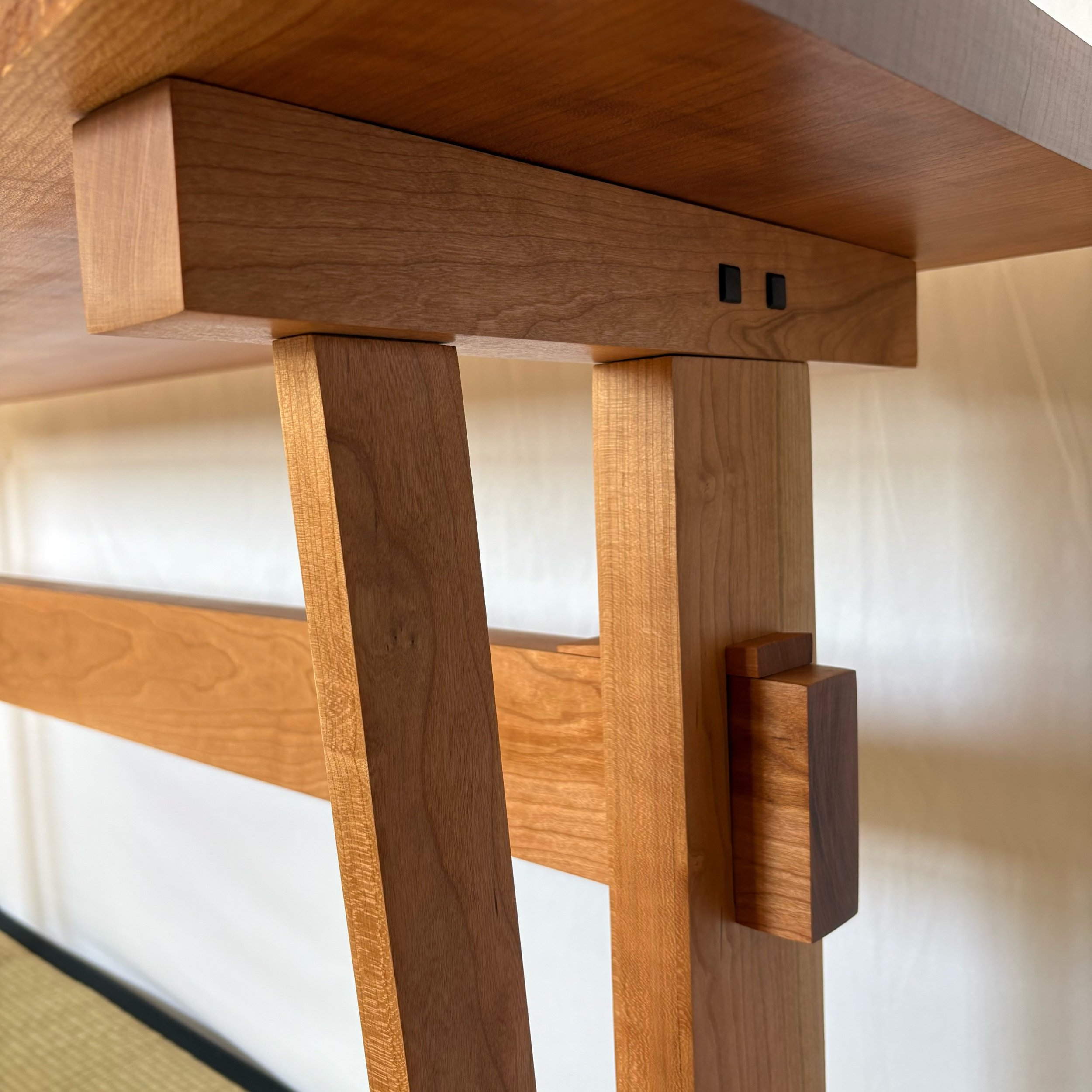
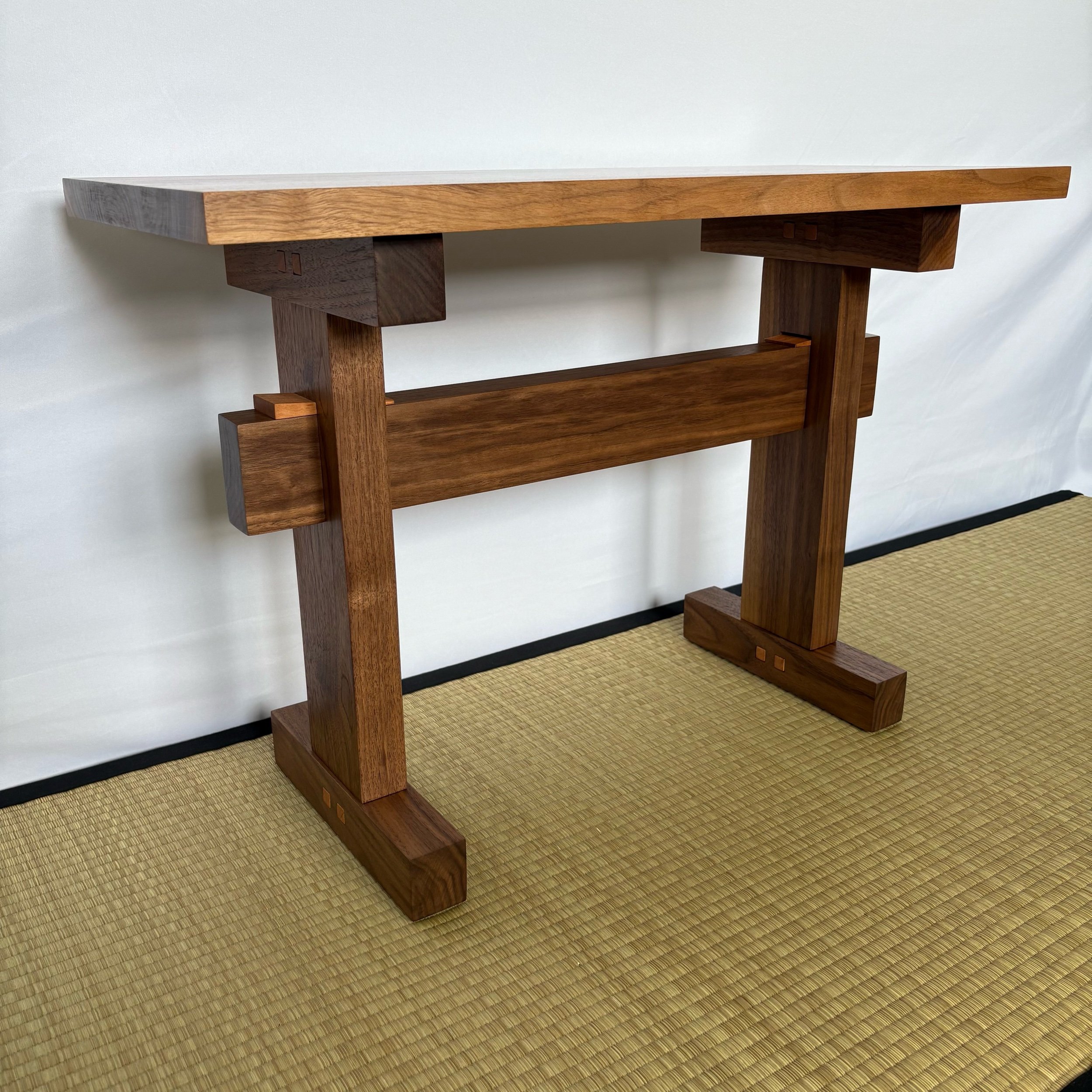
I don’t believe in hiding the structure of my work. Mortise-and-tenon joints, dovetails, and wedges are not just practical — they are aesthetic statements. Exposed joinery communicates both strength and skill. When a joint is visible, you see both the integrity of the structure and the craftsmanship that made it. That honesty is part of the beauty.
Finishes That Respect the Wood
To me, a finish should enhance wood, not disguise it. That’s why I use oils and natural finishes that highlight grain and texture without forming a plastic shell. When you run your hand along one of my pieces, you feel the character of the wood. The result is furniture that looks alive and feels authentic.
Technical Principles of My Craft
Golden Ratio as a Guiding Line
When placing singular horizontal elements like rails or shelves, I rely on the classical golden ratio. This proportion has guided artists and architects for centuries, and it provides a natural balance that the eye immediately recognizes as harmonious. In my work, it ensures that structural elements never look arbitrary — they’re positioned with a sense of timeless order.
The Power of 10 Degrees
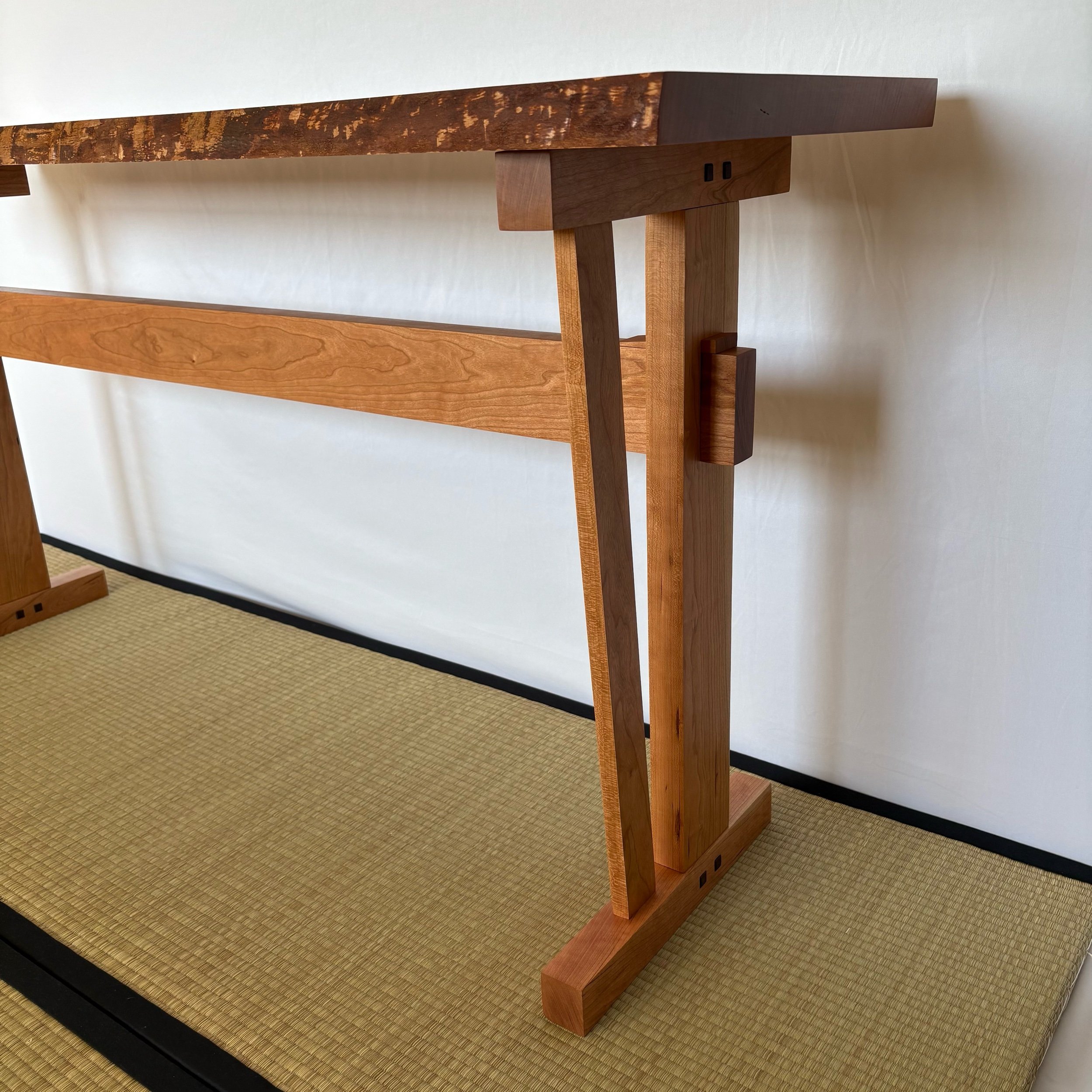
A small detail I often use is a 10-degree angle out of square for some supporting members. It’s subtle enough not to overwhelm a design, but strong enough to introduce a quiet sense of energy and stability. This angle becomes a rhythm in my work — a technical choice that creates visual flow.
Proportion in Tabletops
Every tabletop demands its own set of rules. With slab tops, the organic shape is the star, and my role is to honor its irregularity while providing structure beneath it. With dimensional tops, precision comes forward — square, straight, and deliberate. Each requires careful proportion so the base and top speak to each other, whether the piece is rustic and wild or sleek and measured.
Philosophy and Technique Together
Philosophy and technique are inseparable in my shop. The values I hold — longevity, connection to nature, visible honesty — flow directly into the technical decisions I make about joinery, proportion, and finish. Each piece of furniture I build is a fusion of ideas and craft, designed not just to function in a space but to enrich it.
If this philosophy resonates with you, I invite you to explore my catalog, or you can request a custom order. Each piece represents the same commitment: to create furniture that is meaningful, enduring, and alive with the quiet spirit of wood.